Karbon Filtre
₺2,550
VAT included
In stock(Only 4 left)
Order on WhatsApp
- 16:00'a kadar verilen siparişler aynı gün kargodaFree shipping on orders over ₺5,000
Pick up in store — free
Checking store stock…
Installments
Compare models
8 models · Scroll sideways for all models
| Specification | Selected190 m3/H 100 mm | 330 m3/H - 100 mm | 467 m3/H - 125 mm | 665 m3/H - 150 mm | 895 m3/H - 200 mm | 1150 m3/H 200 mm | 1650 m3/H - 250 mm | 2750 m3/H - 315 mm |
|---|---|---|---|---|---|---|---|---|
| Price | ₺2,550 | ₺3,300 | ₺4,050 | ₺6,000 | ₺7,250 | ₺7,572 | ₺10,950 | ₺18,550 |
| Availability | In stock | In stock | In stock | In stock | In stock | In stock | In stock | In stock |
| Air flow | 190 m³/h | 330 m³/h | 467 m³/h | 665 m³/h | 895 m³/h | 1,150 m³/h | 1,650 m³/h | 2,750 m³/h |
| Flange diameter | Ø100 mm | Ø100 mm | Ø125 mm | Ø150 mm | Ø200 mm | Ø200 mm | Ø250 mm | Ø315 mm |
| Select | Selected |
Specifications
Technical specifications
- Air flow
- 190 m³/h
- Flange diameter
- Ø100 mm
- Brand
- Grow
Description
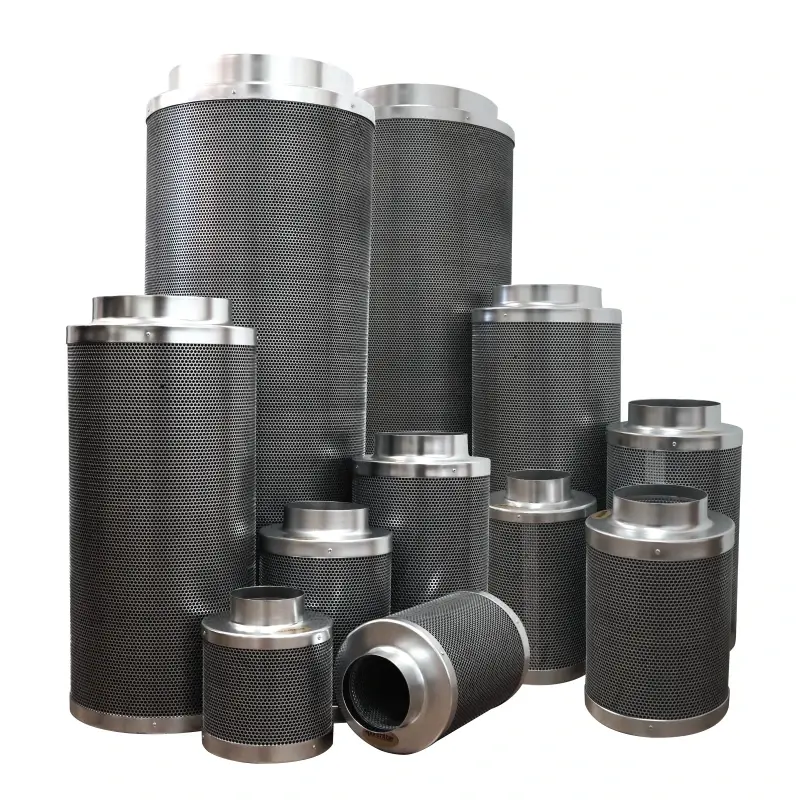
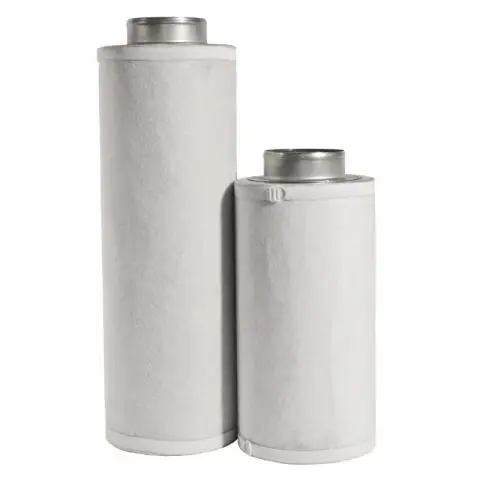
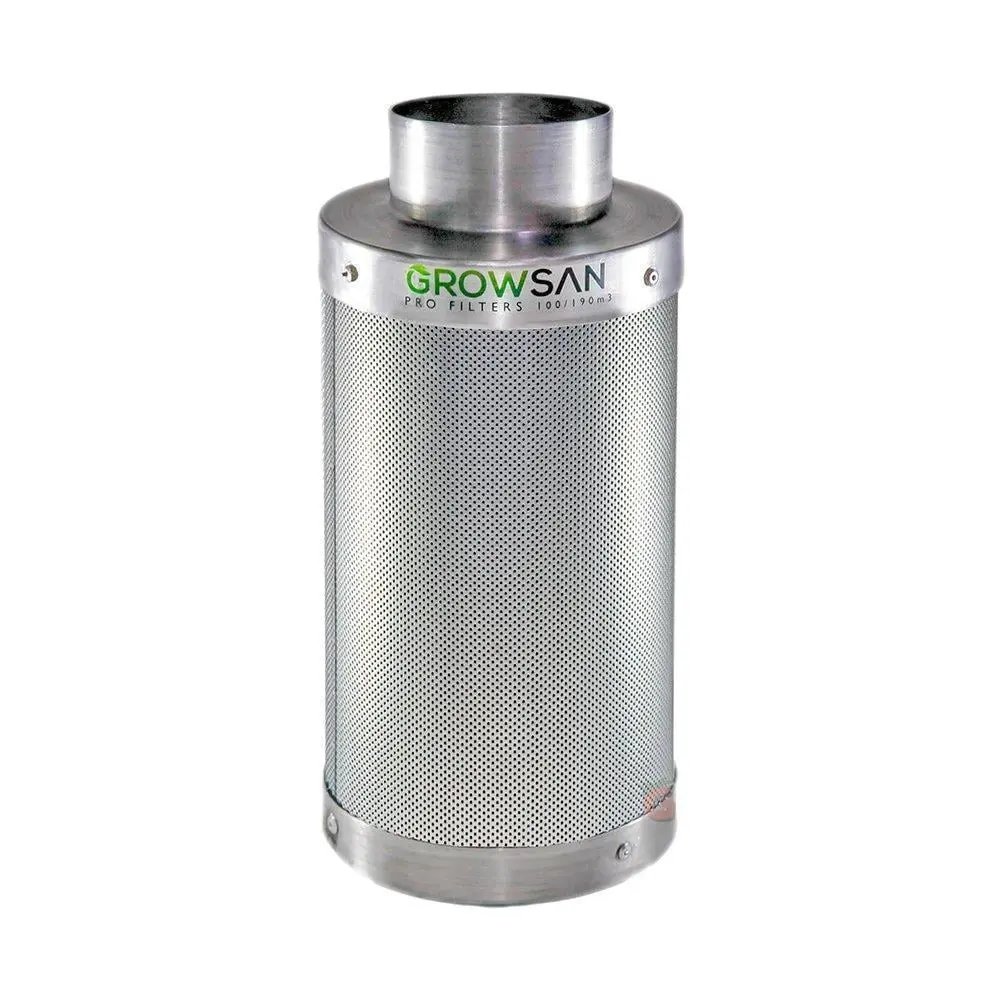
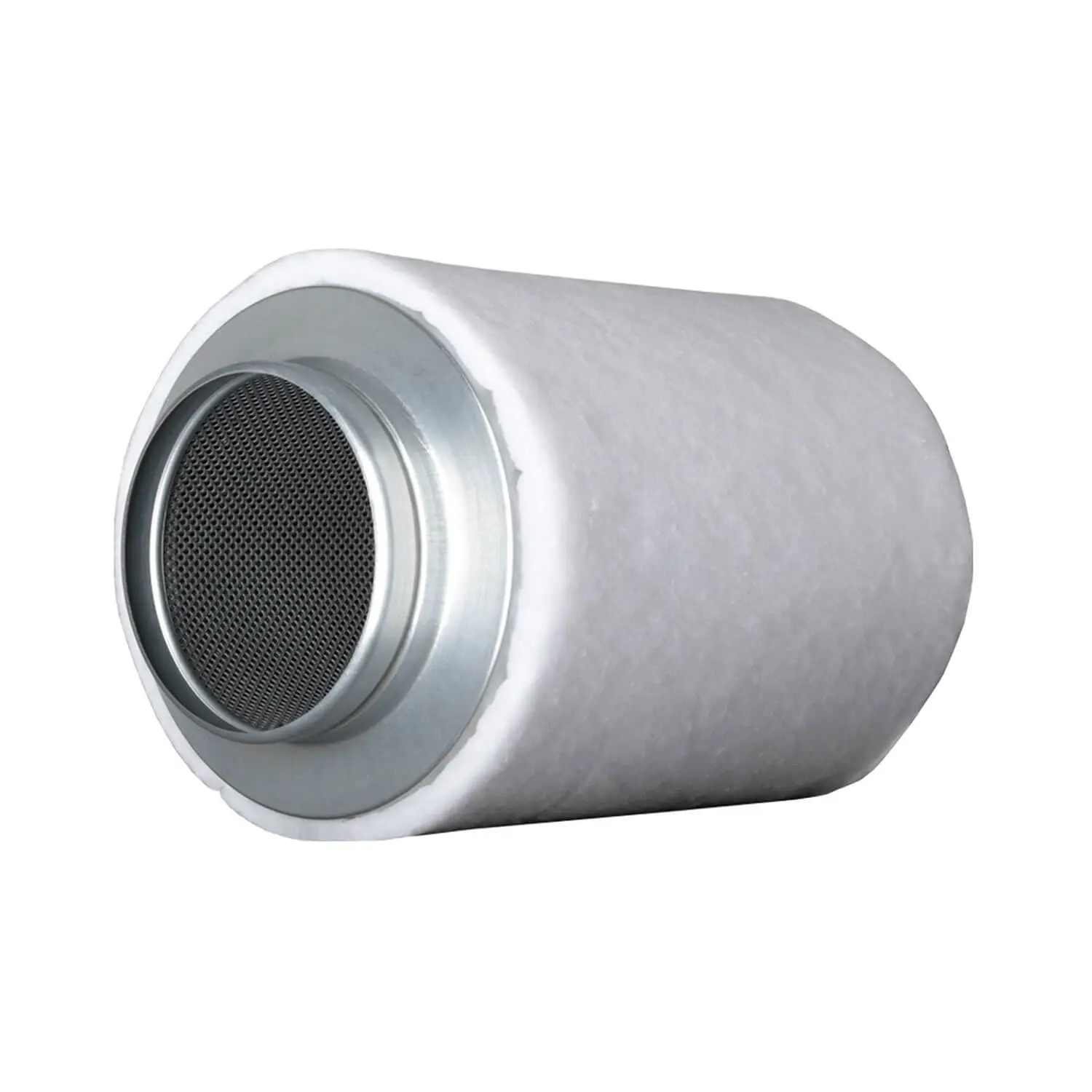
Carbon Filter is a specially designed carbon filter that removes unwanted odors from the growing environment, with an air purification capacity of 330 cubic meters per hour. It is manufactured with tight tolerances from the highest quality, untouched activated carbons. The Carbon Filter is the fruit of long-term research and development. Its design and production make it unique in terms of usability, efficiency, and quality. The most important thing to consider regarding a carbon filter is the quality of the activated carbon used inside. The high-quality activated carbon used in the Carbon Filter has been sourced in the European Union in accordance with EU standards.
- Average usage life of 1 year - generally longer-lasting
Working Principle:
The Carbon Filter is a metal cylinder that contains a type of carbon known as activated carbon, which has a granular form and is produced through a special manufacturing process. Each activated carbon granule inside the filter has a very large surface area relative to its length due to its porous surface. Unlike other materials, activated carbon has the unique ability to clean and deodorize the air passing through it. It achieves this by attracting and trapping aromatic particles that cause pollution in the air.
The compact body and mouths of the Carbon Filter, manufactured to be both durable and lightweight, are specially designed for optimum air flow. This design prevents air from bypassing the carbon without contact, thereby providing an anti-bypass feature.
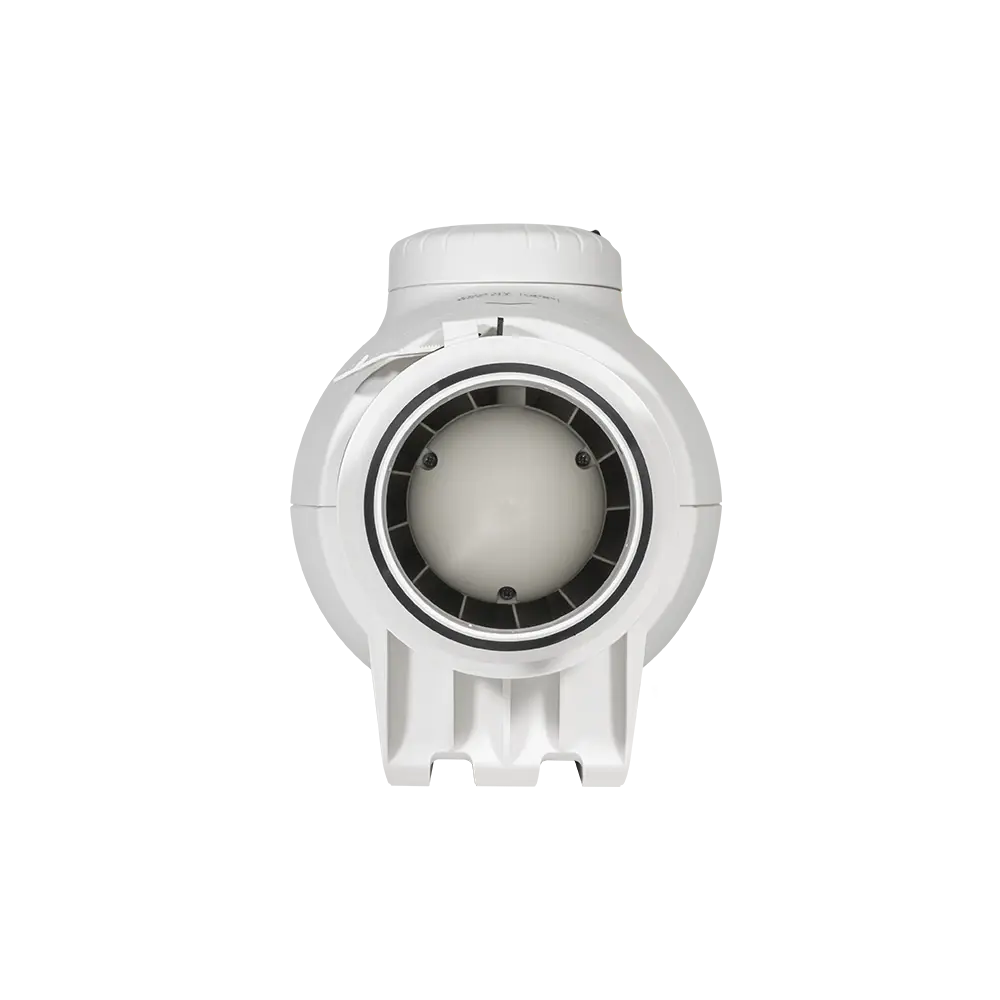
Dirty/heavy air exits through the Carbon Filter via the dirty air outlet fan, which must be compatible with the Carbon Filter in terms of flange diameter and air flow capacity. Subsequently, the dirty/heavy air passes through a short and spiral labyrinth surrounded by high-quality activated carbons. As the dirty/heavy air passes through this activated carbon layer, odors and particles are easily absorbed thanks to the porous surface. Then, the air in your growing area is expelled outdoors clean and odor-free.
Usage:
The Carbon Filter must be compatible with the fan it will be used with in terms of flange diameter and air flow capacity. If the fan's air flow capacity is higher than that of the filter, the air will flow through quickly and completely without being fully cleaned. If the flange diameters differ, the filter and fan cannot be connected without a reducer or expander. The filter should be connected to the dirty air outlet fan using clamps or a similar holder to be placed inside or as close as possible to your growing area. The filter and fan must be tightly connected; otherwise, air will not be drawn with full efficiency, and consequently, the carbon filter will not work at full efficiency. Small-sized filters and fans can generally be hung inside the growing area. This positioning saves floor space and expels the hottest air that tends to rise in your growing area. Larger filters and fans can be too big to hang and can simply be positioned on the floor. A filter positioned on the floor must be connected to the dirty air outlet fan via an air duct. In this arrangement, the filter expels hot, dirty/heavy, and carbon dioxide-free air from the growing area to the outside, while simultaneously preventing unwanted odors.
Carbon Filters are designed to be connected to the air intake side of your fan and should not be attached to the air outlet side. In other words, air must be sucked into the filter, not blown through it. Blowing air through the filter can cause the filter to not work efficiently and become unusable in the long term.
Humidity reduces the performance of Carbon Filters. If there is high humidity in your growing area, the filter will not completely eliminate odors, and the filter's lifespan will decrease significantly. It is recommended to keep the humidity in your growing area between 40%-60% for both the high-performance operation of your filter and the proper growth of your plants.
Category: Carbon Filters
Reviews
No reviews yet.